
.png)


About the Conference
The 2nd International Conference on Sustainable Innovation in Artificial Intelligence and Machine Learning (2nd ICSIAIML 2026) is a premier event aimed at bridging the gap between cutting-edge AI/ML technologies and the critical need for sustainability in an increasingly complex world. As we face global challenges such as climate change, resource depletion, and social inequality, AI and ML are emerging as powerful tools for driving positive change. The conference will offer a forum for sharing the latest advancements, exploring innovative applications, and fostering collaborative solutions that integrate AI and sustainability.
Vision
Our vision is to cultivate a global community of researchers, innovators, and decision-makers who are dedicated to leveraging AI and ML for the greater good, with a strong emphasis on sustainability. The conference will not only explore technological breakthroughs but also encourage thoughtful discussion on ethical AI, responsible AI deployment, and the broader societal impacts of AI in the context of global sustainability goals.

Objectives

The 2nd International Conference on Sustainable Innovation in Artificial Intelligence and Machine Learning (2nd ICSIAIML 2026) aims to achieve the following key objectives:
Promote Sustainable AI and ML Innovations
To highlight and foster the development of AI and machine learning technologies that address global sustainability challenges, such as climate change, resource management, and environmental protection.
Encourage Interdisciplinary Collaboration
To create a collaborative platform that brings together experts from diverse fields, including AI, environmental science, economics, public policy, and social sciences, in order to explore integrated solutions for sustainability challenges.
Advance Ethical AI Practices
To encourage discussions and the development of guidelines for building ethical AI systems that prioritize fairness, transparency, accountability, and inclusivity, ensuring that sustainability outcomes are beneficial to all populations.
Showcase Real-World Applications
To present cutting-edge, real-world applications of AI and ML that contribute to sustainable development goals (SDGs), with a focus on practical solutions in areas such as clean energy, sustainable agriculture, circular economy, and biodiversity conservation.
Support Knowledge Exchange and Capacity Building
To facilitate knowledge exchange between researchers, practitioners, and industry leaders, fostering capacity building in sustainable AI practices and equipping attendees with the tools and methodologies to implement AI-driven sustainability projects.
Highlight AI’s Role in Achieving the SDGs
To emphasize the potential of AI and ML technologies in helping to achieve the United Nations' Sustainable Development Goals, particularly those related to climate action, responsible consumption, clean water, and affordable and clean energy.
Explore AI for Social Impact
To explore how AI and ML can be leveraged to address social issues such as poverty, inequality, access to healthcare, and education, and to discuss how these technologies can help improve the quality of life for under-served and vulnerable communities.
Create Networking and Partnership Opportunities
To foster networking among researchers, practitioners, policymakers, and organizations, creating new opportunities for partnerships, collaborations, and innovation to accelerate sustainable AI solutions.
Inspire Responsible AI Innovation
To encourage the development of AI solutions that not only prioritize technological advancement but also consider the environmental and social impacts, pushing for AI solutions that are socially responsible and contribute positively to humanity's future.
Raise Awareness of AI's Environmental Impact
To raise awareness about the environmental footprint of AI technologies and to explore how energy-efficient AI models, resource-conscious practices, and green computing can contribute to reducing AI's environmental impact.
Celebrate Contributions to Sustainable Innovation
To recognize and celebrate groundbreaking research, entrepreneurial ventures, and impactful projects that utilize AI and ML for the advancement of sustainability, through awards and recognition programs
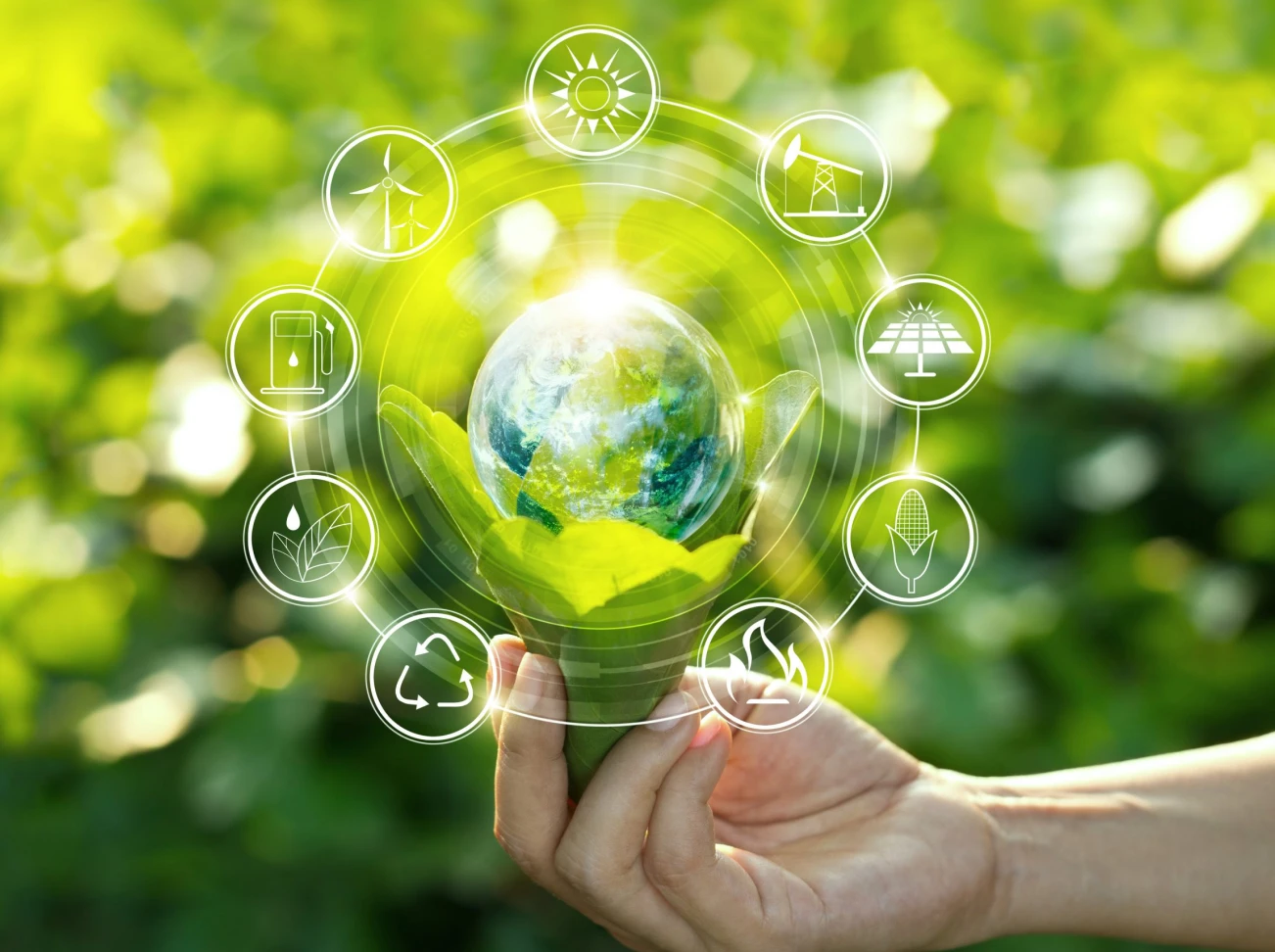
2nd ICSIAIML 2026 is committed to practicing sustainability at every level of the conference. In addition to focusing on the technological aspects of AI and sustainability, the conference will adopt eco-friendly event practices, such as:
- Reducing paper usage by using digital platforms for abstracts, agendas, and communications.
- Encouraging virtual participation to minimize travel-related carbon emissions.
- Partnering with sustainable vendors and venues to ensure that the event itself aligns with the values of sustainability.
Vishwakarma University, Pune (VU) is a natural offshoot of the Vishwakarma Group of Institutions’ educational legacy spanning more than 36 years. The University has been established as a State Private University through Maharashtra Government Act in the year 2017. Being UGC approved, VU is authorized to design and implement its curriculum, conduct examinations, award degrees. As per Times Higher Education Global Impact Rankings 2021, Vishwakarma University, Pune is featured in the top institutions amongst 1200 universities from 98 countries/regions. These rankings assess universities against the United Nations’ Sustainable Development Goals (SDGs)
Pune, previously spelled in English as Poona is a city in the state of Maharashtra in the Deccan plateau in Western India. It is the administrative headquarters of the Pune district, and of Pune division. According to the 2011 Census of India, Pune has ~9.4 million residents in the metropolitan region, making it India's seventh-most populous metropolitan area. The city of Pune is part of the Pune Metropolitan Region. Pune is one of the largest IT hubs in India. It is also one of India's most important automobile and manufacturing hubs. Pune is often called the ‘Oxford of the East’ because of its educational institutions. It has been ranked ‘the most livable city in India’ several times.
Join Us at 2nd ICSIAIML 2026 and Contribute to a Sustainable Future
Together, we can explore and implement the technologies and innovations that will define the future of sustainable development. Join us in creating a world where AI and ML not only advance technological capabilities but also contribute to a more sustainable, fair, and inclusive global society.
To Go
